Impact-Site-Verification: d449f305-7559-411f-a079-9546ec900ac1
This is my website
Impact-Site-Verification: d449f305-7559-411f-a079-9546ec900ac1
This is my website
Imagine you’re stepping into a futuristic office for a job interview. The interview is not with a human, but with an artificial intelligence (AI). Sounds cool, right?
But wait, what kind of questions would the AI ask? What kind of skills do you need to impress it? Let’s break it down and get you ready for that future interview, where a robot could be sitting across the table.
An AI interview is an interview where an AI system assesses your qualifications, experience, and skills to determine whether you’re a good fit for the role. Unlike traditional interviews with a human, an AI-powered interview typically uses natural language processing (NLP), machine learning algorithms, and other AI techniques to analyze your responses. It may assess not just your technical abilities but also your emotional intelligence, communication skills, and personality traits based on how you answer questions.
While it’s still a relatively new trend, AI-driven interviews are becoming increasingly popular, especially for companies with large recruitment needs. These AI interviews can be in two forms: video interviews (where you respond to questions on camera) and chatbot-based interviews (where you type your responses). Regardless of the format, here are some common types of questions AI might ask:
AI uses behavioral questions to analyze how you respond to certain situations based on past experiences. These questions aim to see if you can apply your experiences in a work environment.
Example:
Tell me about a time you faced a challenge at work. How did you handle it?
Tips for answering:
For tech positions, the AI might test your knowledge and skills directly related to the job. These questions are designed to gauge how well you understand key concepts in your field.
Example:
Can you explain the difference between supervised and unsupervised learning in machine learning?
Tips for answering:
Situational questions focus on how you would handle specific situations in the workplace. They often begin with “What would you do if…?”
Example:
What would you do if you had to manage a project with tight deadlines, and your team was struggling to meet targets?
Tips for answering:
AI might ask you personality-related questions to assess your compatibility with the company culture. These questions are usually more about how you work with others, handle stress, and maintain productivity.
Example:
How do you prioritize your tasks when you have multiple deadlines to meet?
Tips for answering:
AI is often designed to assess your cognitive abilities, such as problem-solving, reasoning, and decision-making.
Example:
If 5 workers can complete a task in 10 days, how long will it take for 10 workers to finish the same task?
Tips for answering:
AI might also ask you to share your thoughts on a broader topic. These questions allow the AI to assess your communication skills and how you present your ideas.
Example:
Where do you see yourself in five years?
Tips for answering:
Now that we know the common types of AI interview questions, let’s dive into some preparation tips that will help you excel in your AI-powered interview.
AI-powered interviews are still in the early stages, but they’re rapidly evolving. In the future, we might see AI systems that can assess even more personal traits, such as emotional intelligence, creativity, and adaptability. However, one thing is clear: AI is here to stay, and learning how to interact with it in job interviews is becoming an essential skill.
Whether you’re facing an AI-powered chatbot or a video interview with AI algorithms, the key to success is preparation. Understand the types of questions AI might ask, and be ready to provide thoughtful, clear, and concise answers. With the right mindset and some practice, you can ace your next AI interview and take the next step in your career.
Good luck, and remember: even though AI is analyzing your responses, it’s still your expertise, skills, and personality that will shine through!
These days, AI chatbots are everywhere – from helping us book flights and answer customer service questions, to giving us weather updates and even recommending new movies. They’ve become like our friendly, digital assistants.
But just like with any other technology, there are some things you should keep to yourself. Even though chatbots seem smart, it’s important to remember that not all information should be shared with them.
Here are 10 things you should always keep secret from AI chatbots, and why it’s essential to protect your privacy.
When chatting with an AI, it’s best not to share your personal identification details like your full name, address, date of birth, or Social Security number. While it might seem harmless to chat about your life, these are crucial pieces of information that can lead to identity theft or fraud if shared with the wrong person or system.

Why?
Your identity is important and sharing personal details can put you at risk. It’s always better to keep these things private, especially when interacting with a bot that may not fully protect your information.
Your credit card number, bank account details, or passwords should never be shared with a chatbot. While many bots can help you track orders or check on services, they are not equipped to handle financial transactions securely.
Why?
Think of it this way: your bank account is like a safe, and your passwords are the keys. You wouldn’t hand those keys to just anyone – and the same goes for sharing them with AI chatbots. There’s always a risk that this sensitive information could be leaked or misused.
If you have health concerns, avoid sharing them with chatbots. While some chatbots can give basic medical advice, they’re not trained doctors or health professionals, and they can’t offer personalized care.
Why?
Your health is too important to trust an AI for advice. Chatbots may not fully understand the context of your health issues, and you could end up getting inaccurate or even harmful information. Always turn to a real healthcare professional for medical concerns.
It might seem convenient to ask a chatbot for help with a forgotten password, but never share your login credentials with them. A chatbot doesn’t have the proper safeguards in place to store that sensitive information securely.

Why?
Passwords are one of the most important aspects of online security. If you share them with a bot, you could risk having your accounts compromised. Stick to password managers or direct interactions with the websites you use for better security.
If you’re chatting with a bot at work, it’s a good idea to keep any company secrets or confidential information to yourself. Even if the chatbot is designed to help with work tasks, sharing sensitive business data could lead to security risks.
Why?
Businesses rely on keeping certain information confidential to stay competitive and protect their reputation. Leaking sensitive work-related info can have serious consequences, and it’s better to keep it between you and your colleagues – not a chatbot.
Avoid sharing your social media account details or sensitive posts with a chatbot. While some bots can help manage posts, they shouldn’t have access to your personal social accounts.
Why?
Your social media accounts contain a lot of personal information about you. If a chatbot gets access to that, it could lead to privacy issues. Plus, bots might not always make decisions that align with your preferences when it comes to sharing things online.
While it’s okay to chat casually with a bot, avoid discussing your deeply personal beliefs about politics or religion. AI chatbots don’t always understand the nuance of these sensitive topics and might give responses that feel off or insensitive.
Why?
Your beliefs are personal and valuable, and AI systems might not always handle them with the respect or understanding they deserve. Plus, chatting about politics or religion with a bot could lead to awkward or unwanted situations if the bot isn’t trained to respond appropriately.
If you’re facing relationship issues or have family concerns, it’s best not to discuss these with a chatbot. Chatbots might not be able to offer the emotional support you need and might only provide generic responses that aren’t helpful.
Why?
AI can’t replace the real support of friends, family, or professionals when it comes to personal issues. A chatbot might unintentionally misunderstand or misinterpret your feelings, which could leave you feeling frustrated instead of comforted.
Many online services use security questions to help protect your accounts. You should avoid sharing answers to these questions with AI chatbots, as they could be used to hack into your accounts.
Why?
Security questions are often used to verify your identity. If a chatbot stores or uses your answers, it might put your accounts at risk. It’s best to keep these answers private to prevent unauthorized access to your personal data.
The Future of Video Editing in the AI Era: A Glimpse Into Tomorrow – Hannan Mentor
When in doubt, it’s best to keep anything sensitive to yourself. Whether it’s private details about your job, personal life, or anything you wouldn’t feel comfortable sharing with a stranger, it’s always a good idea to keep some things private.
Why?
Your privacy matters. Even though chatbots are designed to help, they aren’t perfect and might not be as secure as you think. Keeping your personal information safe is always a priority.
AI chatbots can be incredibly helpful and convenient, but they aren’t always the best place for sharing sensitive or personal information. While many chatbots are designed to assist with basic tasks, they don’t have the same level of privacy protection as more secure platforms.
So, next time you chat with a bot, remember these tips and be mindful of what you’re sharing. Keeping your personal details safe and secure is always the best choice. After all, when in doubt, it’s always better to keep it secret!
By protecting your privacy, you can enjoy the benefits of AI chatbots while keeping your information secure.
Imagine you’re a filmmaker, working on a tight deadline. You’ve shot hours of footage and now need to trim it down into a perfect 5-minute video.

In the past, this would have meant long hours spent at your computer, cutting, arranging, and tweaking each clip until it’s just right. But today, with AI, the process is becoming faster, smarter, and more intuitive.
So, what does the future of video editing look like in this AI-driven world? Let’s take a walk through it.
AI is already changing how we edit videos. Tools like Adobe Premiere Pro and Final Cut Pro have AI-powered features, like automatic scene recognition, color correction, and audio adjustments. But this is just the beginning. In the future, AI could do much more, including:
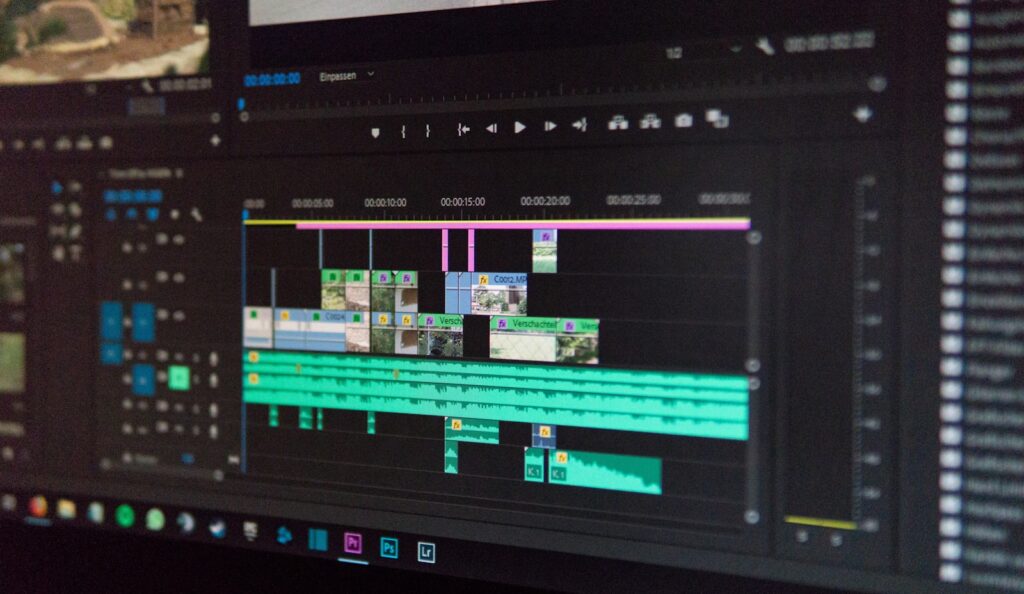
Another area where AI is changing the game is personalization. Think about social media, where each person’s feed looks different. In the future, AI could edit videos tailored to individual tastes.
For example, imagine a cooking show. Instead of a one-size-fits-all video, AI could create different versions of the same video for viewers based on their preferences—some might see only the recipe steps, others might see more behind-the-scenes content, and some might even get a version with added tips for beginners.
Special effects and CGI can take hours, even days, to perfect. But with AI, we could see faster, more affordable effects.
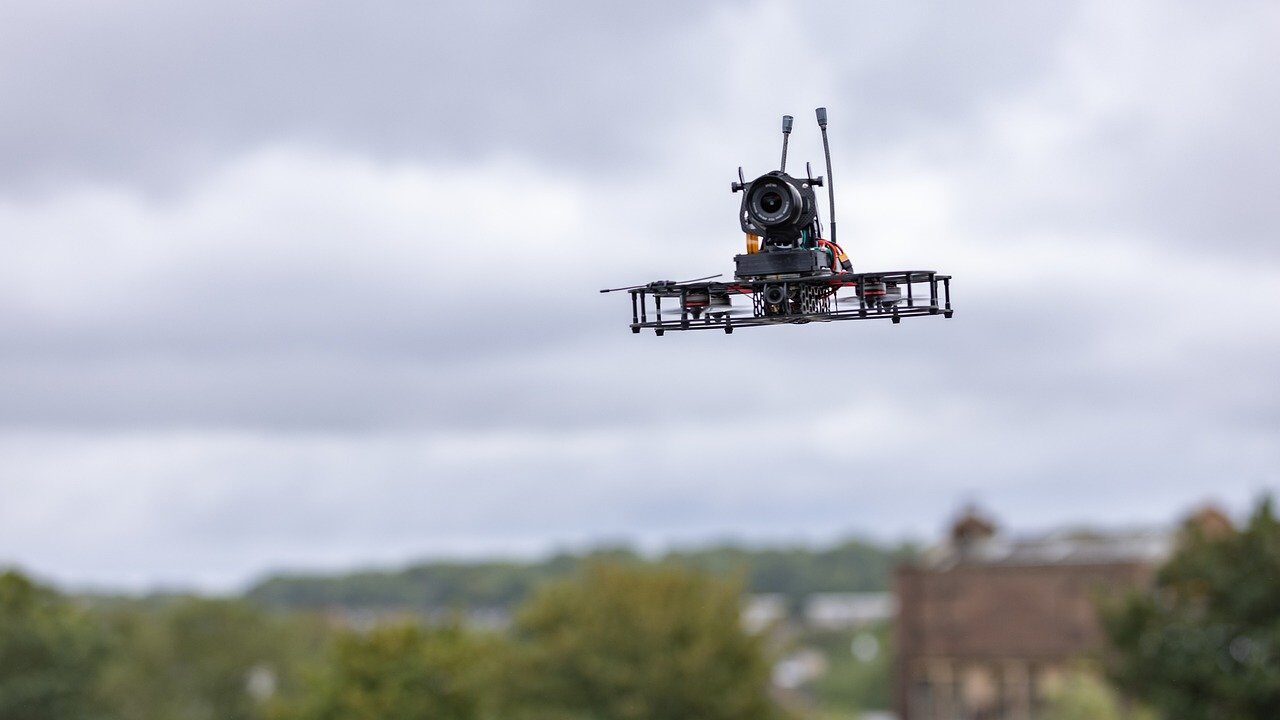
For instance, AI could analyze the lighting in your video and automatically suggest or add digital effects that blend seamlessly into the scene. Want to add a giant robot to your cityscape? AI could help design and place it in minutes.
In the not-so-distant future, you might even be able to talk to your editing software. Simply saying, “Add a sunset behind this scene,” could be enough for AI to make it happen. The possibilities here are endless.
We often forget that audio is just as important as the visuals. AI will play a massive role in improving sound design and music selection. In the future, AI could analyze the mood of your video and automatically match it with the perfect music or sound effects.
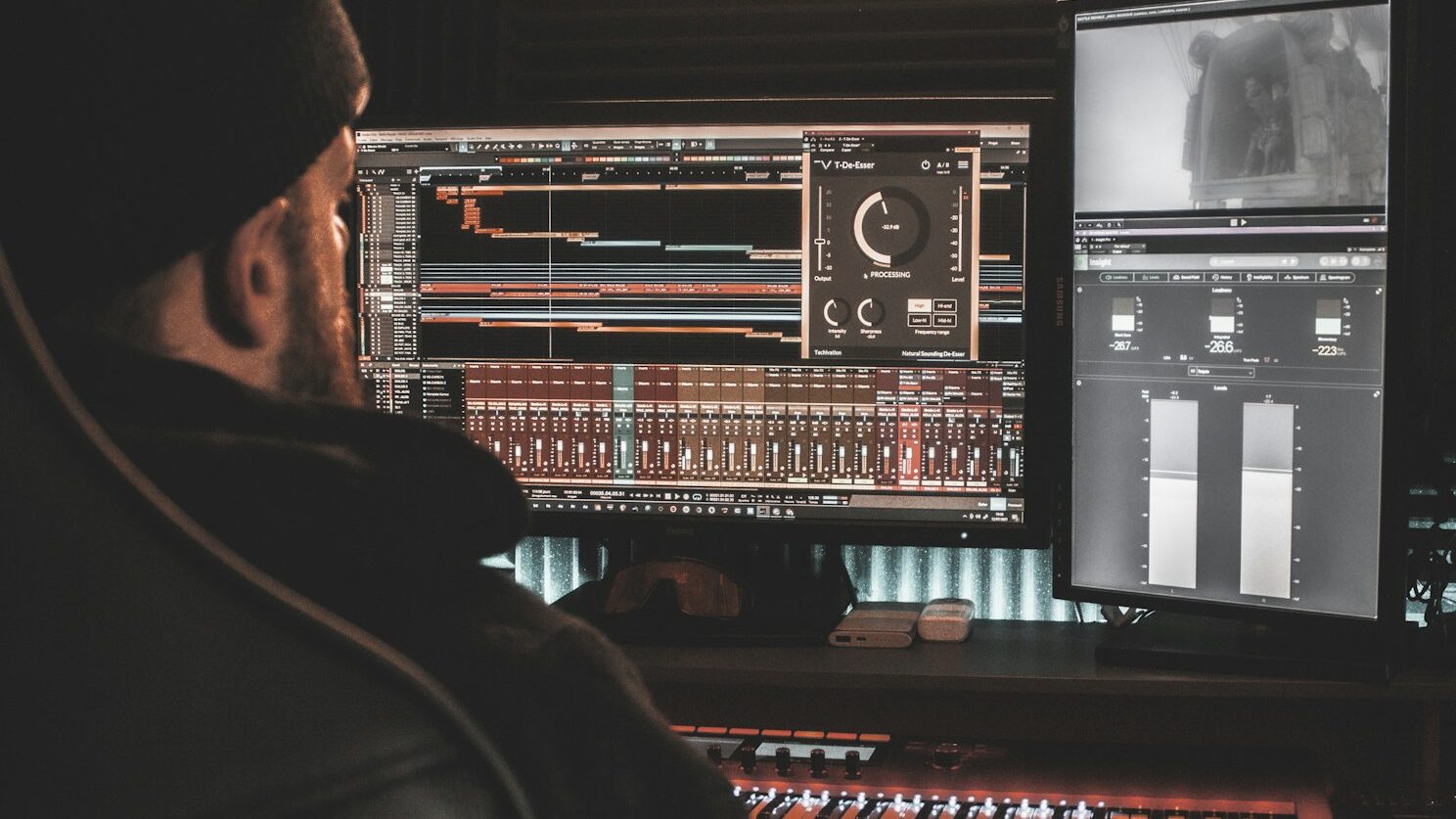
Imagine you’re editing a thriller movie. AI could detect the suspenseful moments and automatically add subtle background music or eerie sounds to build tension. Plus, if you don’t have the right music on hand, AI could even create custom tracks for your video.
While AI is making video editing faster and more efficient, it’s important to remember that the human touch will still be necessary. Editing isn’t just about cutting clips together—it’s about telling a story, capturing emotions, and creating something meaningful. AI can assist, but it’s the human creativity that will always guide the vision.
In the future, video editors might work alongside AI, using it as a powerful tool to speed up the technical side of editing, while still adding that unique personal touch to their work.
The future of video editing in the AI era is bright and full of possibilities. With AI making video editing faster, smarter, and more accessible, the possibilities are endless. From smart editing assistants to personalized content and advanced special effects, AI will soon be an essential tool in every video creator’s toolbox. But at the heart of it all, the artistry and creativity of the human editor will remain as important as ever.
The future of video editing isn’t just about technology—it’s about how we can use it to tell better stories, faster and more creatively than ever before.